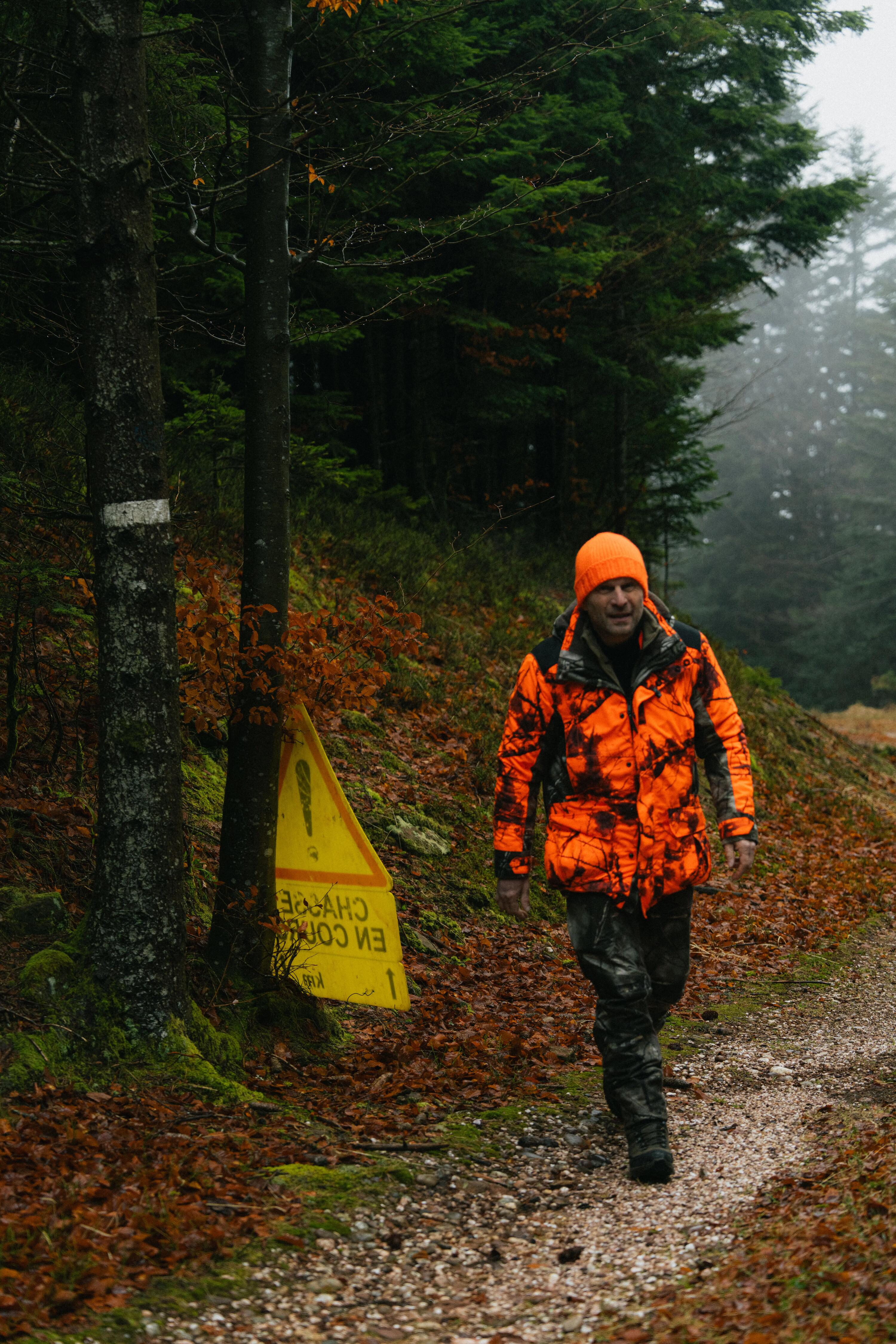
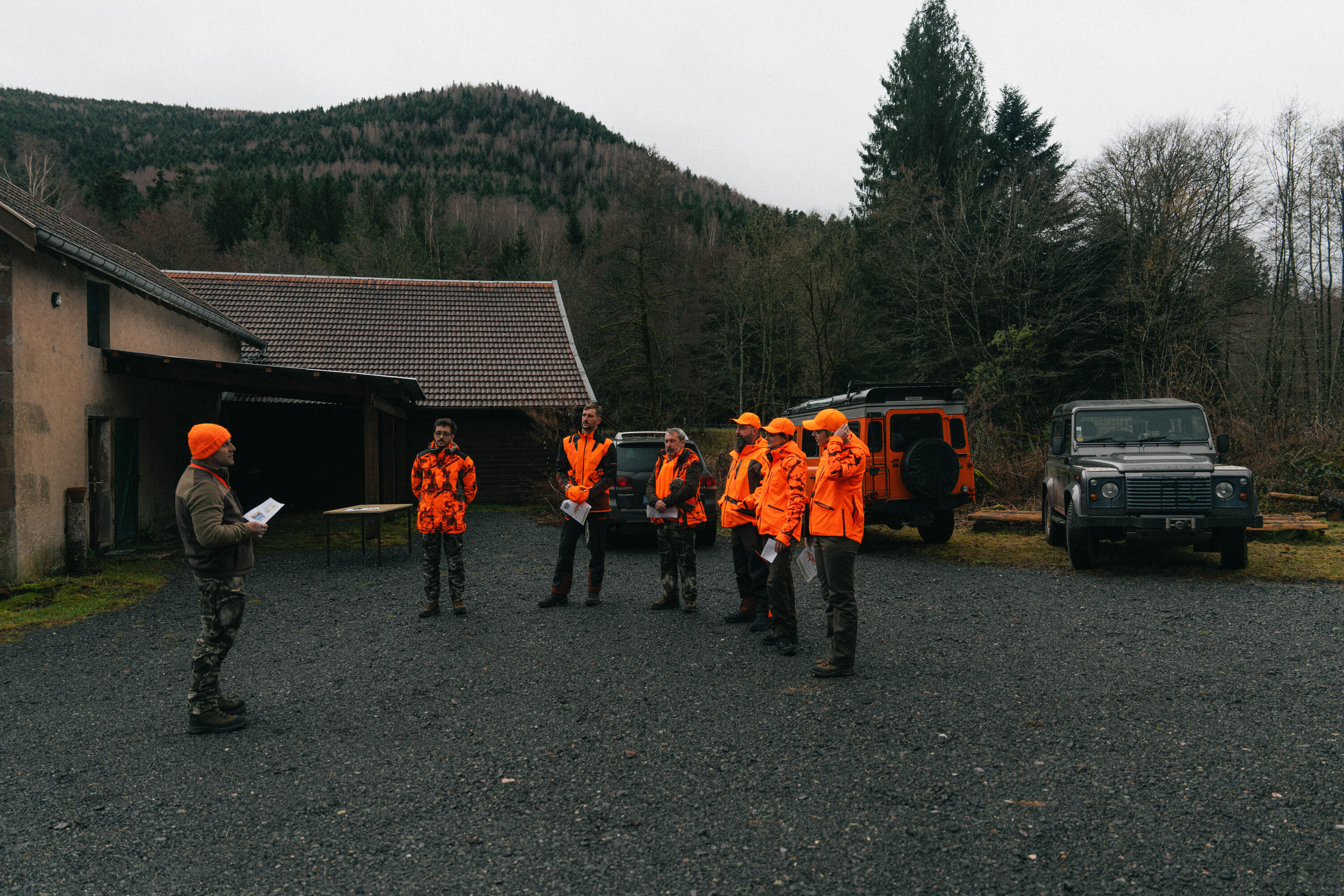
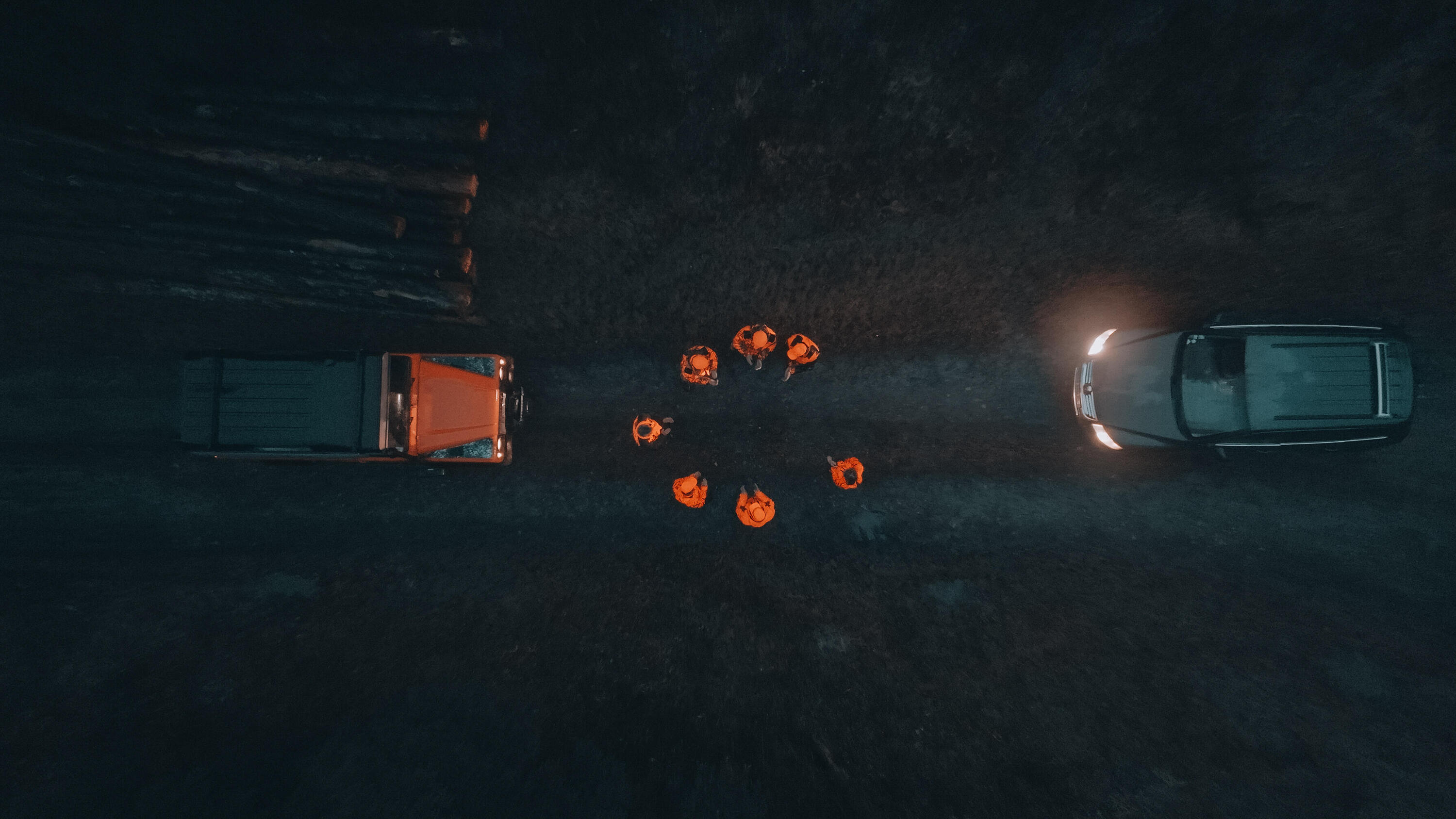
RULES ONCE IN POSITION
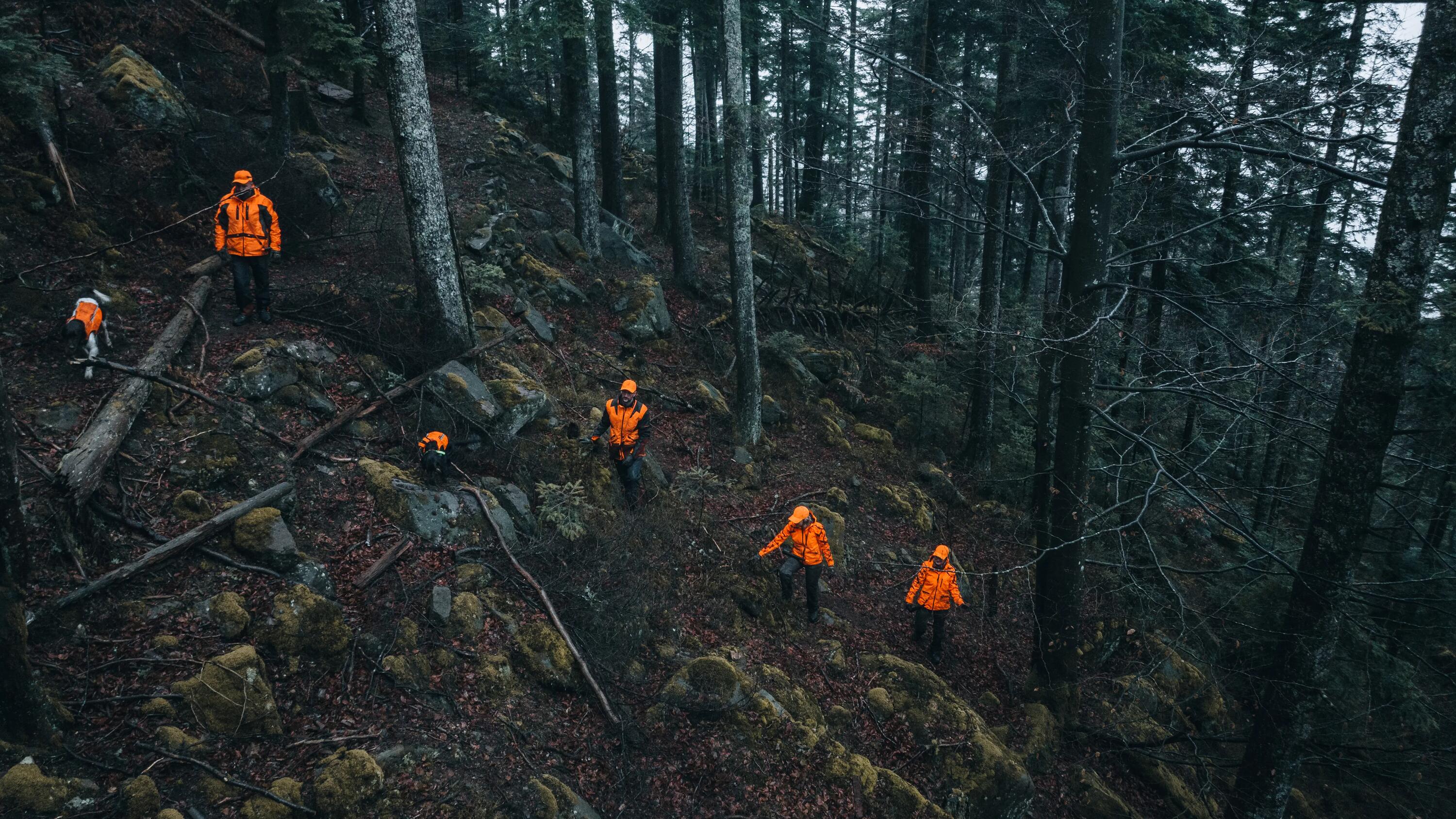
As soon as the hunter arrives at their hunting position, they must first identify and make themselves known to their neighbours along the line. Once this has been done, the hunter sets their firing angle at 30°. To do this, they take 5 steps towards one of their neighbours and 3 steps at right angles in the direction the animals are likely to flee. They must repeat this on the opposite side, towards their other neighbour. The hunter must also adapt this procedure to the layout of the terrain: taking into account any obstacles (trees, rocks, paths, houses, roads, etc.) that might be within their firing angle.
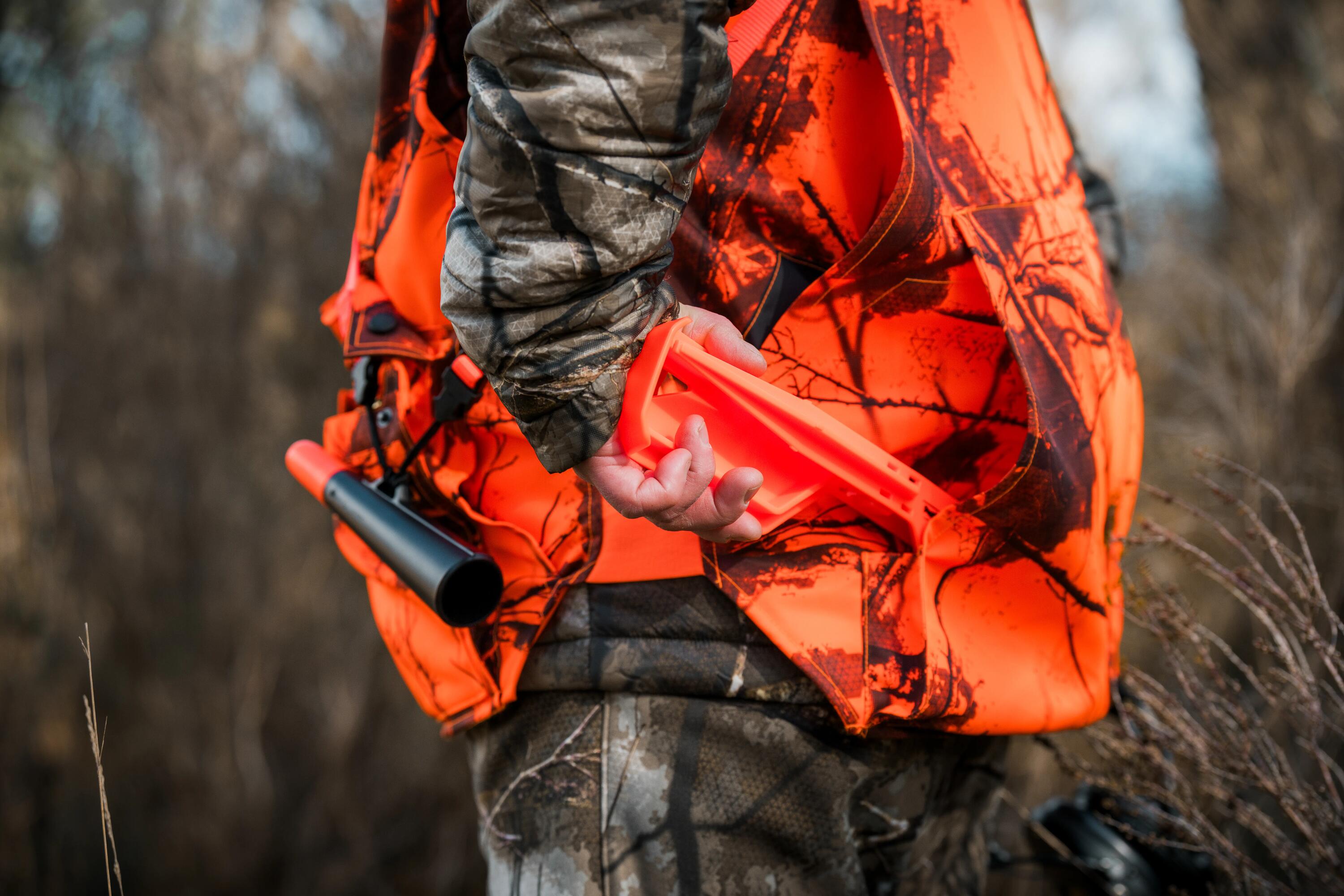
You can mark your positions in various ways: by using local materials, such as two branches which you can stick into the ground on either side of your position, in the middle of the path. Or better still, by using hunting stakes.
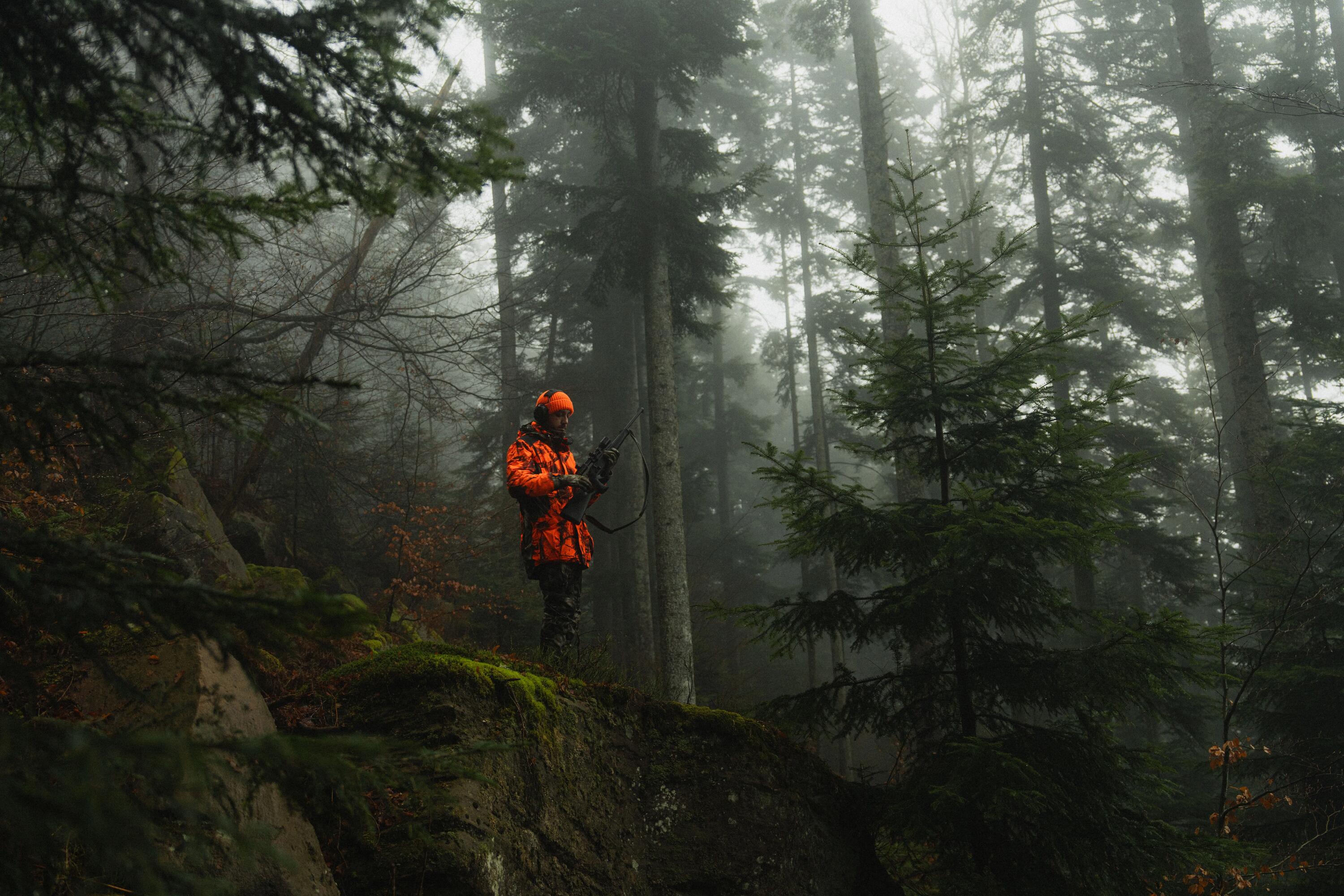
Once these points have been taken into account, the hunter takes up position facing the woodland whilst awaiting the signal to start the drive. Once the start of the drive has been signalled, the hunter may then begin loading their gun, having first checked the barrel(s). It is essential that the weapon is loaded with the barrel pointing downwards and at a safe angle. Once the drive has begun, the hunter must under no circumstances leave their post before the signal marking the end of the drive. Every shot must be a clean shot, taken at close range with clear identification of the game. For greater safety, prioritise elevated firing positions such as watchtowers. Naturally, any position that results in a shot that is not a clean shot must be avoided. If an animal is wounded by a shot, the hunters must not pursue it. The task of tracking the wounded animal will fall to the bloodhounds at the end of the drive.
Finally, any movement of a harvested animal subject to a hunting quota plan must take place after tagging.