PREPARING VENISON
Key steps for high-quality meat.
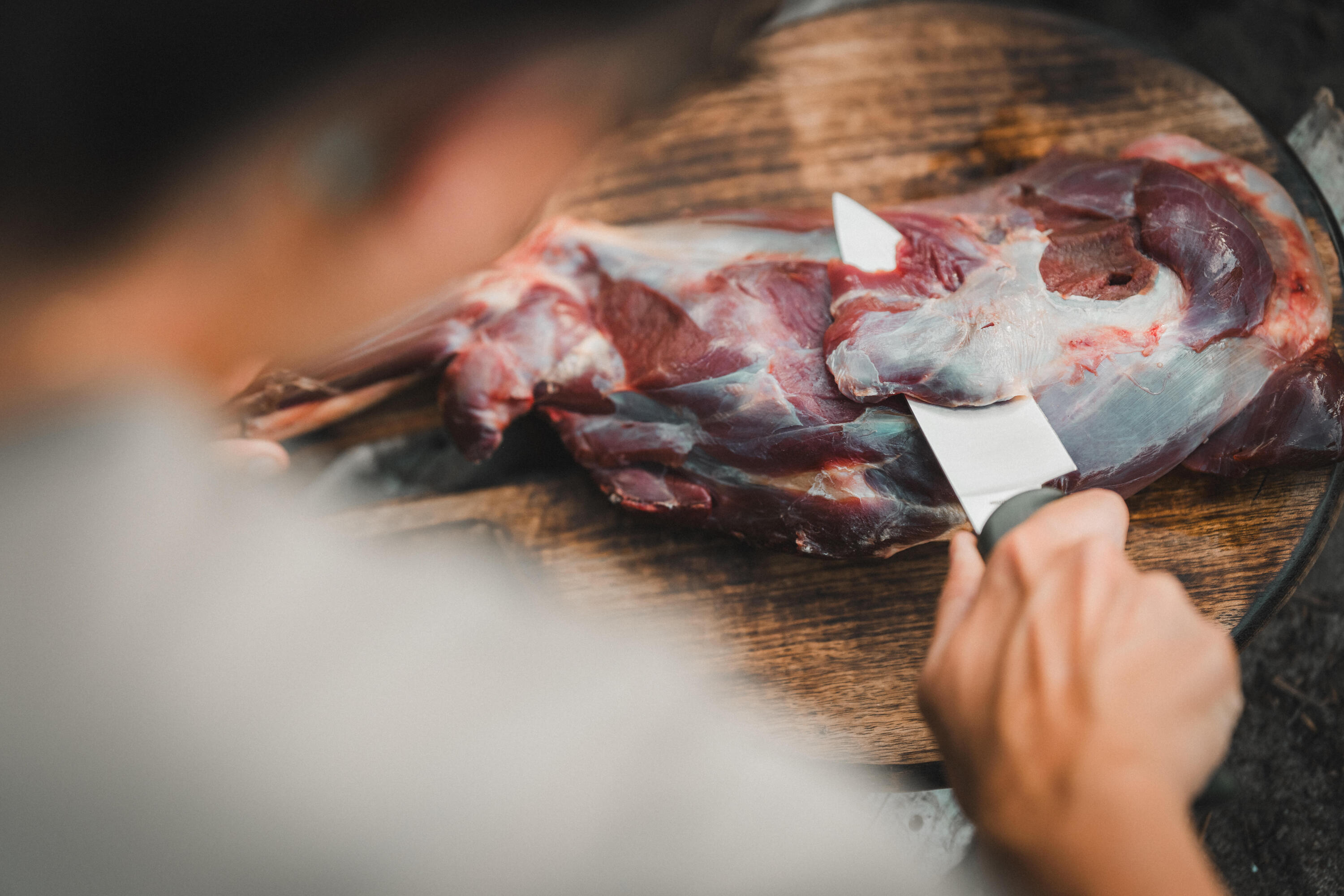
A successful hunting trip brings immense satisfaction, but the adventure doesn’t end with the shot. Preparing venison is a crucial step that transforms the act of hunting into a responsible culinary endeavour.
But to ensure your venison is both safe and tasty, every step counts, from the initial inspection to refrigeration. Whether you’re a novice or an experienced hunter, strict adherence to hygiene rules is your best defence against bacterial spoilage. To discuss this complex, technical and crucial aspect of hunting, we asked a few questions to Philippe Jaeger – a hunting journalist for over 25 years. Here is our comprehensive guide to mastering the post-shot stages.
Note: although most aspects of venison handling are common to all hunting practices, here we have focused on individual big-game hunting, such as stalking and hunting from a hide.
ESSENTIAL EQUIPMENT FOR PREPARING GAME
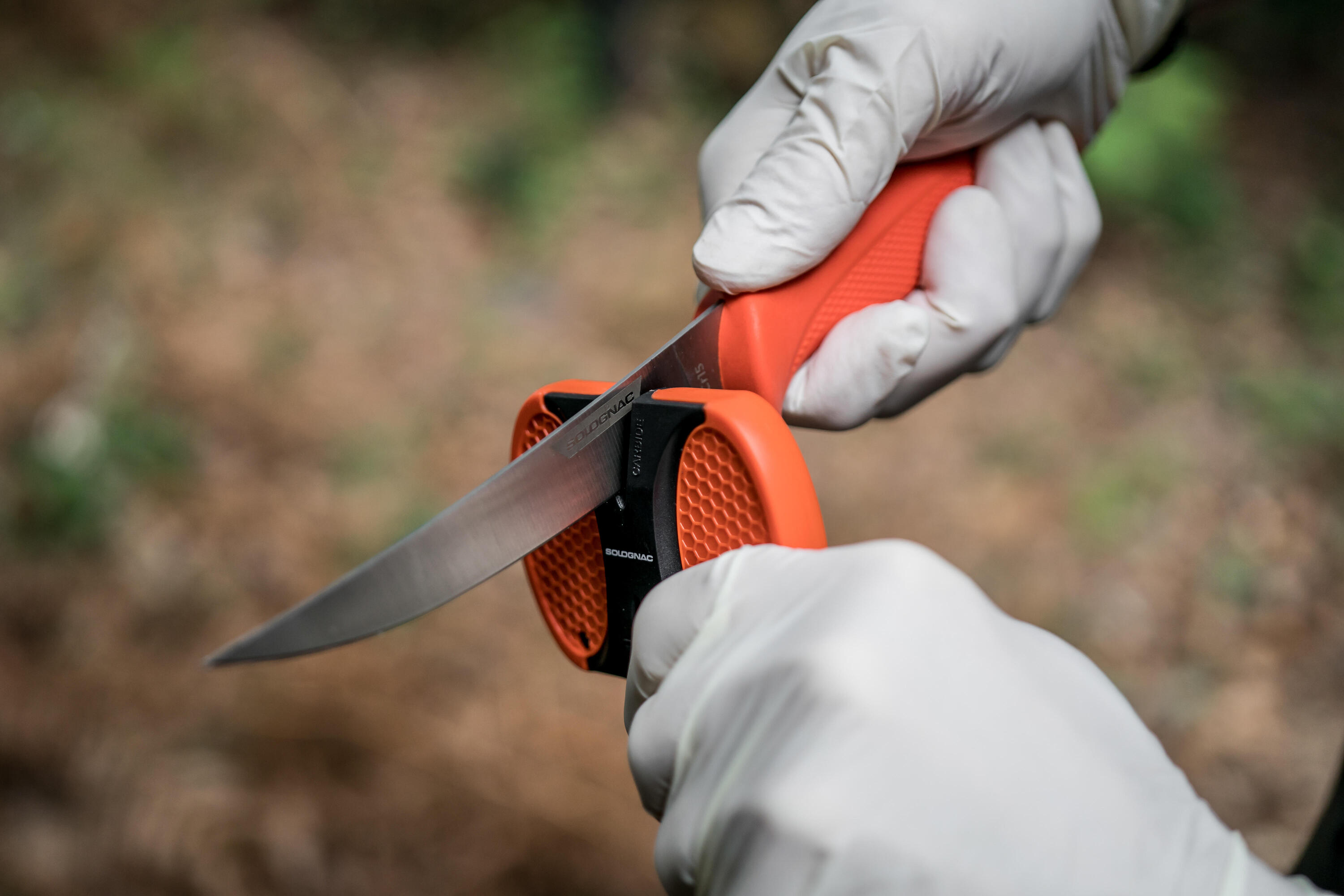
It goes without saying: make sure you have all your equipment with you before you set off on a hunt. It also goes without saying that your equipment must be clean and sharp, as the choice of tool directly affects the quality of your work. In your kit bag, we advise carrying at least:
• a set of knives for cutting and eviscerating: blades must be perfectly sharpened and disinfected
• a bone saw to clear the rib cage and pubic symphysis
• a game tray for transport: this avoids condensation (the enemy of preservation) and promotes ventilation of the carcass while protecting your vehicle
• a powerful headtorch if preparation takes place at nightfall
• hydroalcoholic gel
Please note that, as of recently, it is no longer permitted to rinse carcasses after evisceration. This is a rule that must be strictly observed if you wish to consume or share your venison.
Please also bear in mind that, during summer hunts, particular attention should be paid to flies and ambient warmth. Finally, transfer the carcass to cold storage at 2°C as quickly as possible to maintain the cold chain. This temperature slows bacterial growth and allows proper meat aging. If you lack access to a cold room, drop your game off with a professional butcher. Do not freeze meat before 4 to 6 days have passed, ensuring optimal tenderness.
WHAT AM I ALLOWED TO DO WITH THE VENISON AFTERWARDS?
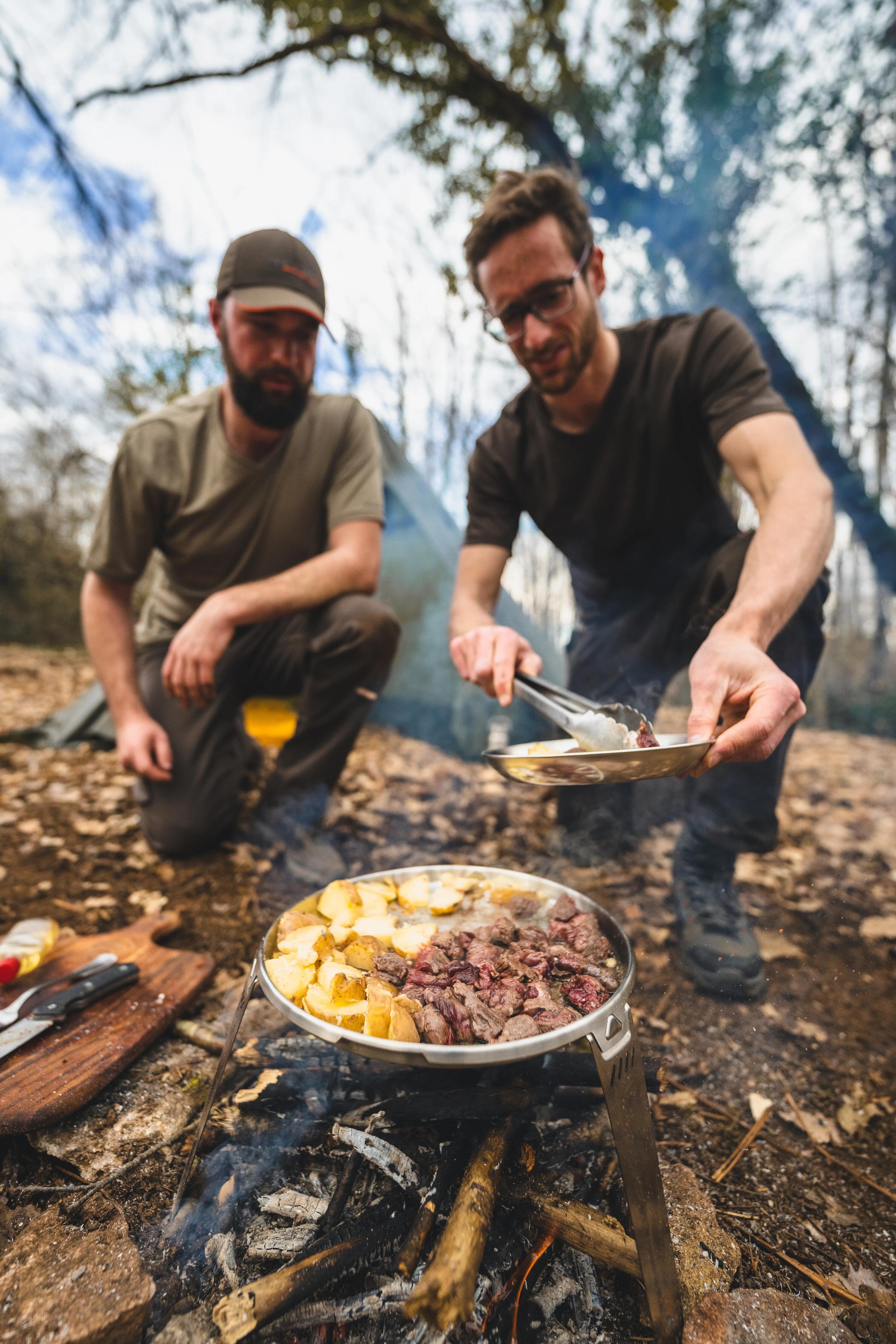
As you will have realised, in order to sell it, you must have completed the training course in initial venison examination provided by your federation. However, you are entirely free to give your venison away. Remember that you remain responsible for food safety and hygiene during handling. Your personal responsibility and ethics are at stake.